🏚️ Europe’s Housing Affordability Challenge
Following up on our OECD discussion, a new study by economists at the European Commission offers a sharper perspective on Europe’s housing crisis.
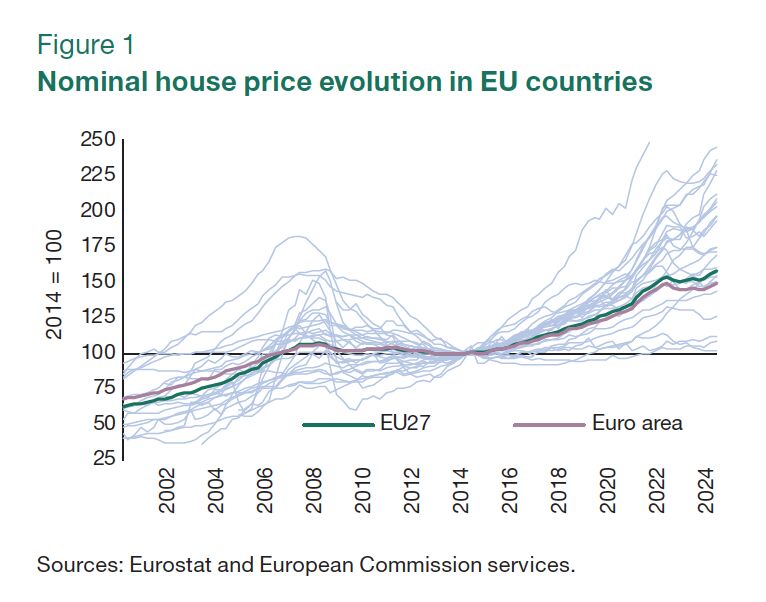
🏠 Prices vs. incomes: Between 2014–2022, house prices rose much faster than household incomes. Even with a brief slowdown in 2022–23, homes remained overvalued in around three-quarters of EU countries (end of 2023).
💸 Borrowing squeeze: Higher interest rates reduced affordability. Even if prices cooled, monthly mortgage payments for the same property often grew heavier.
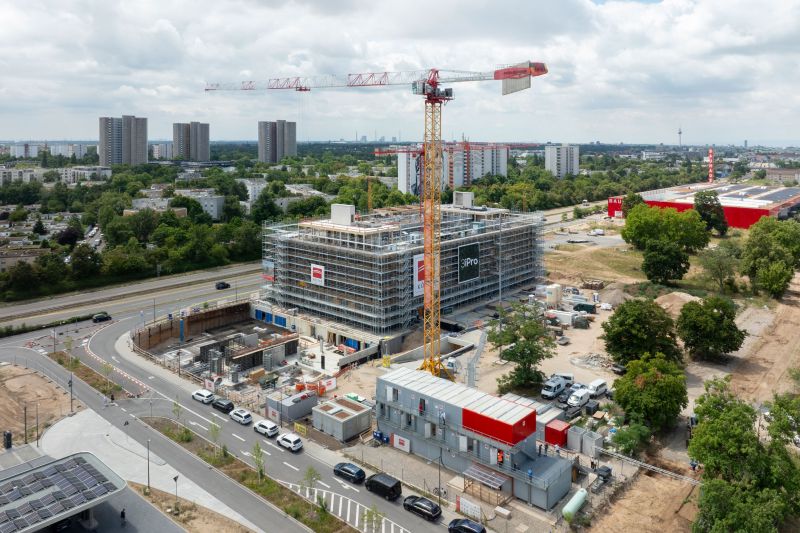
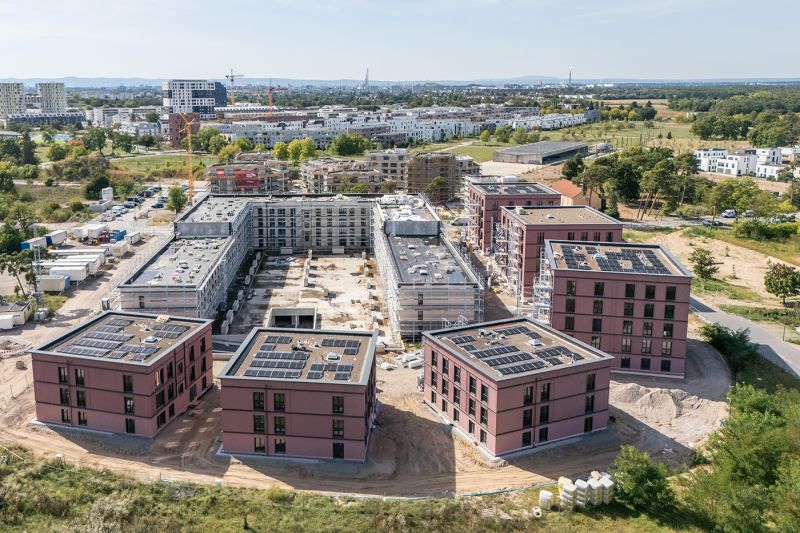
🧑🤝🧑 Unequal burden: Young people and lower-income households are hardest hit. In EU capitals, newcomers renting a two-bedroom flat can spend over 40% of household income on housing.🏗️ Supply bottlenecks: New construction has lagged for years. Rising costs, regulatory barriers, and historically low completion rates leave demand unmet.
🔄 Policy gaps: Short-term fixes like rent subsidies or mortgage tax relief may backfire – raising demand without fixing supply.
🌍 EU response: A European Affordable Housing Plan is in the works, aiming to boost social and affordable housing, reduce building costs, invest in skills, and mobilize both public and private capital for sustainable housing projects.
Affordable housing is not only a social necessity it’s central to Europe’s competitiveness, productivity, and social cohesion. Without structural reforms and major investment in supply, affordability will remain out of reach for many.

























.jpeg)